
Dental Implants & Tooth Replacement
Bone Grafting for Dental Implants in Falls Church, VA
If your dentist or oral surgeon has told you that you need bone grafting for dental implants in Falls Church, VA, take a breath. This is a routine, well-understood step that many implant patients go through, and our board-certified surgical team uses 3D/CBCT imaging and Platelet Rich Plasma (PRP) technique to plan and guide every graft with precision. We accept insurance, welcome new patients, and offer bilingual Spanish-speaking care so you and your family feel informed and comfortable at every visit.
Call (703) 639-0027Benefits & Value of Bone Grafting for Dental Implant Success
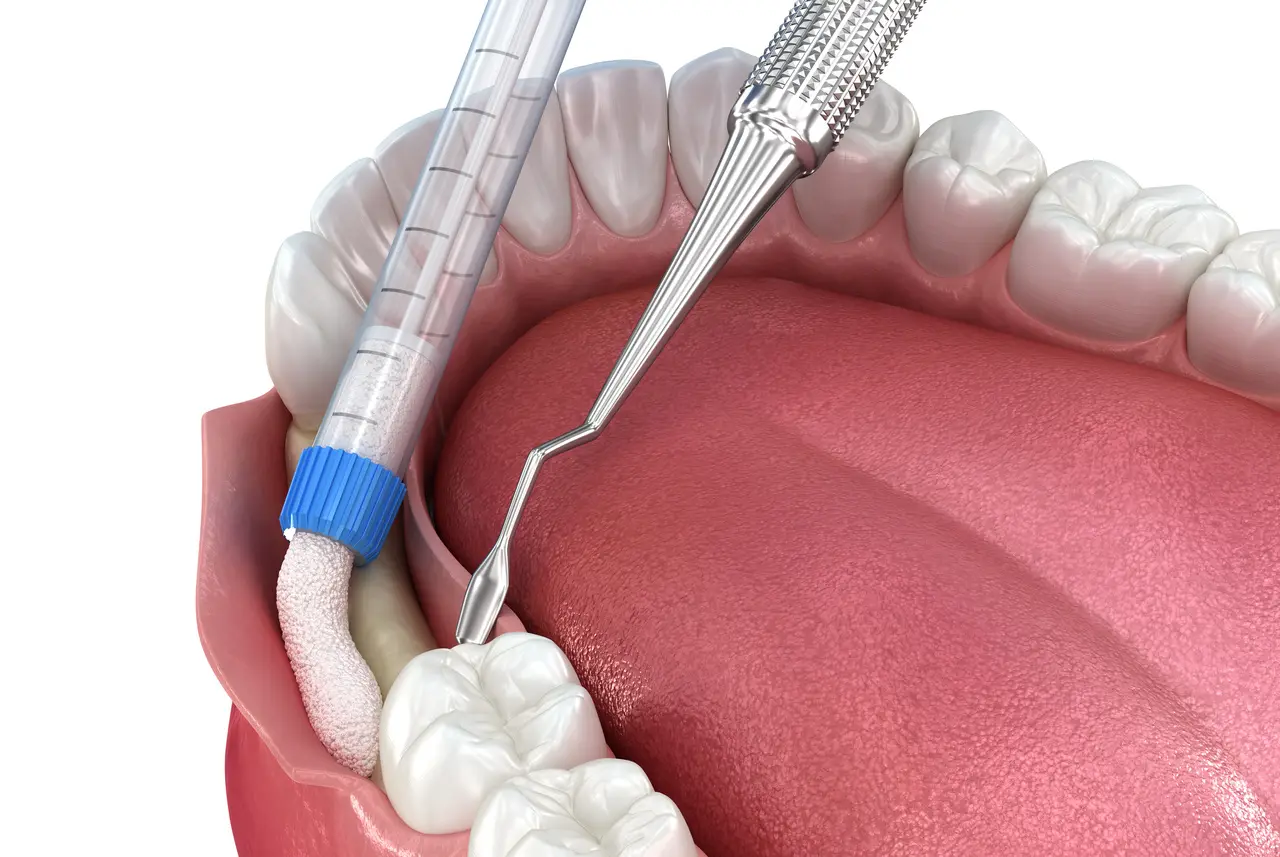
Dental implants need enough healthy jaw bone to stay secure for years to come. When teeth have been missing for a while, or an old extraction site has started to shrink, the bone in that area can thin out. Bone grafting rebuilds that foundation so an implant post has solid bone to bond with.
Done well, grafting helps implants last longer, look more natural, and function like real teeth. It also protects the shape of your jaw and face, which can change over time when bone is lost. Whether you are planning for a single dental implant, full arch reconstruction, or implant-supported overdentures, having enough healthy bone is what makes the final result predictable and long-lasting. Our surgeons plan each graft using 3D/CBCT imaging, so we know exactly how much bone is needed and where, before we ever pick up an instrument.
Types of Bone Grafting We Perform
Not every patient needs the same kind of graft. Your surgeon will recommend the type that fits your bone loss, your implant plan, and your goals.
Sinus Lift
For upper back teeth, the sinus cavity can sit close to the jaw bone, leaving too little bone height for an implant. A sinus lift gently raises the sinus floor and adds bone material underneath, creating room for a secure implant post.
Ridge Augmentation
Ridge augmentation oral surgery rebuilds the width or height of the jaw ridge after tooth loss has caused it to flatten or narrow. This is often needed before implant placement in the front of the mouth, where a natural-looking result matters most.
Socket Preservation
Right after a tooth is removed, the socket can begin to lose bone within days. Socket preservation fills the empty socket with graft material at the time of extraction, helping hold its shape so future implant placement stays simpler and more predictable.
What to Expect During Your Bone Grafting Visit
We know the word "grafting" can sound bigger than it is. Most bone grafting procedures are done comfortably in our office in about an hour, often at the same time as an extraction or ahead of implant placement.
Comfort & Sedation Options
Your comfort matters to us at every stage. We offer sedation options, including IV sedation, so you can stay relaxed and at ease throughout the procedure. Many patients tell us they remember very little of the visit itself and are pleasantly surprised by how manageable the experience felt.
Recovery & Healing Timeline
Mild swelling or tenderness for a few days is normal, and most patients return to regular activities within a day or two. Full healing of the graft site, when new bone integrates and matures, typically takes a few months before an implant is placed, though your surgeon will confirm a timeline specific to your case. We send patients home with clear post-op instructions and follow up personally to check on your healing.
Questions
Frequently Asked Questions About Bone Grafting
Am I a Candidate for Bone Grafting Before Implants?
Many patients with bone loss from missing teeth, gum disease, or a past extraction are good candidates. Your surgeon will review a 3D/CBCT scan of your jaw during a consultation to see exactly how much bone you have and whether grafting is recommended before implant placement.
Is Bone Grafting Painful or Uncomfortable?
Bone grafting is done with local anesthesia and sedation options, so you should feel little to nothing during the procedure. Afterward, most patients describe mild soreness that responds well to over-the-counter or prescribed pain relief, similar to what you would feel after a tooth extraction.
How Long Before I Can Get My Dental Implant?
Healing time depends on the type of graft and your body's healing pace, but many patients wait a few months for the graft to fully integrate before implant placement. Some smaller grafts allow for implant placement sooner. Your surgeon will give you a personalized timeline at your consultation.

Take the Next Step Toward Your New Smile
Our board-certified team is ready to build the strong, healthy foundation your tooth replacement plan needs.