
Other Procedures
Impacted Canine Exposure in Falls Church, VA
Your canine teeth, the slightly pointed ones on either side of your front teeth, play a big role in how you bite, chew, and smile. Sometimes one of them gets stuck beneath the gum line and never comes in on its own. When that happens, a short surgical procedure called canine exposure can uncover the tooth and give your orthodontist the access needed to guide it into the right place. Merrifield Oral Surgery offers impacted canine exposure in Falls Church, VA, performed by a board-certified surgical team and coordinated closely with your orthodontist. We also accept most major insurance plans, so getting started is straightforward.
Call (703) 639-0027What Is an Impacted Canine and Why Does It Need to Be Treated?
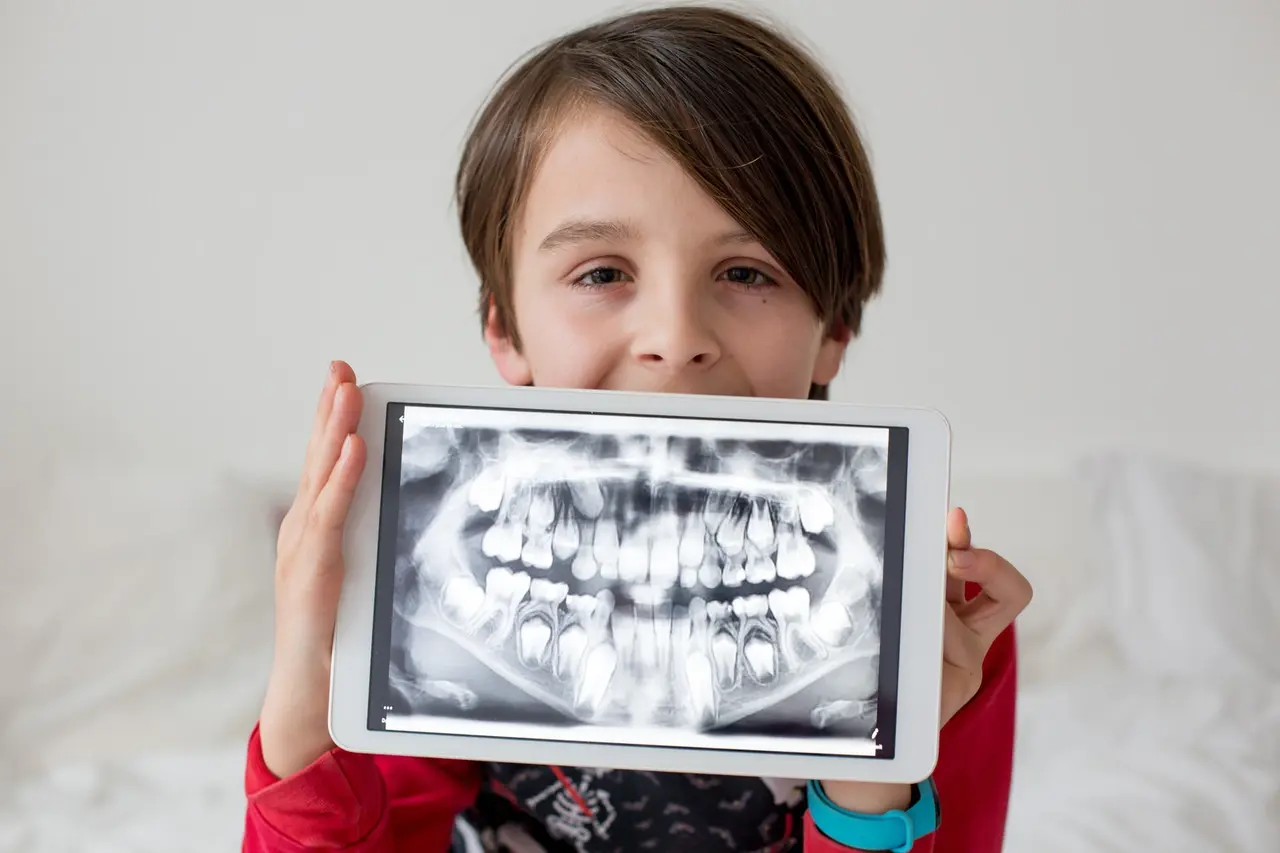
A canine tooth is "impacted" when it is stuck under the gum or bone and cannot erupt on its own. This is one of the more common eruption problems seen in adolescents, second only to wisdom teeth. Unlike wisdom teeth, canines are essential to your bite and long-term dental health, so leaving them in place is not usually an option.
The good news is that with timely treatment, most impacted canines can be brought into the correct position in the arch. The process involves two providers working as a team: an oral surgeon to uncover the tooth, and an orthodontist to move it into alignment over time.
Benefits of Impacted Canine Exposure at Merrifield Oral Surgery
Preserving Your Natural Smile With Minimally Invasive Surgery
Keeping your natural tooth is almost always better than replacing it later. Exposure surgery gives the impacted canine a path to erupt and function normally, which protects the surrounding bone, supports your bite, and avoids more complex tooth-replacement procedures down the road. Our surgeons use careful technique to minimize tissue disruption and support a smooth recovery.
Coordinated Care With Your Orthodontist
We work directly with your orthodontist before and after surgery. After the tooth is uncovered, a small bracket and chain are often bonded to it so your orthodontist can apply gentle pressure to guide the tooth into position. Having both providers communicating throughout the process means fewer surprises and a clearer path forward for you and your family.
What Happens If an Impacted Canine Is Left Untreated?
Ignoring an impacted canine rarely ends well. Over time, the stuck tooth can cause several problems:
- Damage to the roots of neighboring teeth
- Development of a cyst around the impacted tooth
- Bite misalignment that affects how your jaw closes
- Prolonged or stalled orthodontic treatment
- Eventual need for tooth removal and a prosthetic replacement
Catching the problem early, often during routine orthodontic records, gives the best chance of a straightforward outcome.
What to Expect During Your Impacted Canine Exposure Procedure
Before Your Procedure
Your surgeon will review imaging, typically including 3D scans, to map exactly where the tooth sits beneath the bone. You will receive instructions on eating, drinking, and any medications to pause before your appointment. Our team is glad to answer every question you have before the day of surgery so you feel prepared.
During the Exposure Surgery
The surgery is performed under local anesthesia, and most patients choose to add sedation for greater comfort. Your surgeon makes a small incision in the gum tissue to uncover the crown of the impacted tooth. In many cases, a bracket is bonded to the tooth at this same visit so your orthodontist can begin treatment without a second procedure.
Recovery and Post-Operative Care
Most patients manage well with over-the-counter pain relief and soft foods for the first few days. Swelling and mild soreness are normal and typically ease within a week. Detailed guidance is available in our post-op instructions, and our team follows up after your procedure to check on how you are feeling.
You can also browse the full range of other procedures we offer.
Questions
Frequently Asked Questions About Impacted Canine Exposure in Falls Church VA
Am I a candidate for impacted canine exposure?
Most candidates are adolescents or young adults whose canine tooth has not come in on its own. Your general dentist or orthodontist will typically identify the problem on an X-ray and refer you to an oral surgeon for evaluation. Adults can also be treated, though the tooth may take longer to move into position.
How long does the procedure take?
The exposure surgery itself is usually completed within an hour or less, depending on the tooth's position. You will spend additional time in our office for preparation and recovery from sedation before you are cleared to go home.
Will I need sedation?
We offer several sedation options, including IV sedation, to help you stay comfortable throughout the procedure. Your surgeon will discuss which option is the best fit based on your health history and your level of anxiety. Learn more on our sedation and anesthesia page.
How do I coordinate care between my oral surgeon and orthodontist?
Our team communicates directly with your orthodontist before and after surgery so both offices are working from the same plan. After the exposure, your orthodontist will place a bracket and wire on the newly uncovered tooth to guide it into alignment over the following months.
Does insurance cover impacted canine exposure?
Many dental and medical insurance plans include coverage for this procedure because it is functional surgery. Coverage varies by plan, so we encourage you to visit our Insurance and Financing page or call our office and we will help you understand your benefits.

Start Your Child's Path to a Complete, Healthy Smile
Our board-certified surgeons work closely with referring orthodontists to make the process as clear and comfortable as possible for patients and families alike.