
Extractions & Impacted Teeth
Impacted Canine Exposure in Falls Church, VA
When a permanent canine tooth doesn't erupt into place on its own, your orthodontist may refer you to us for impacted canine exposure in Falls Church, VA. This procedure gently uncovers the tooth and attaches a small bracket so braces can guide it into your smile over time. At Merrifield Oral Surgery, our board-certified surgeons perform this exposure in close partnership with your orthodontist, and we welcome new patients while accepting most dental insurance plans.
Call (703) 639-0027What Is Impacted Canine Exposure?
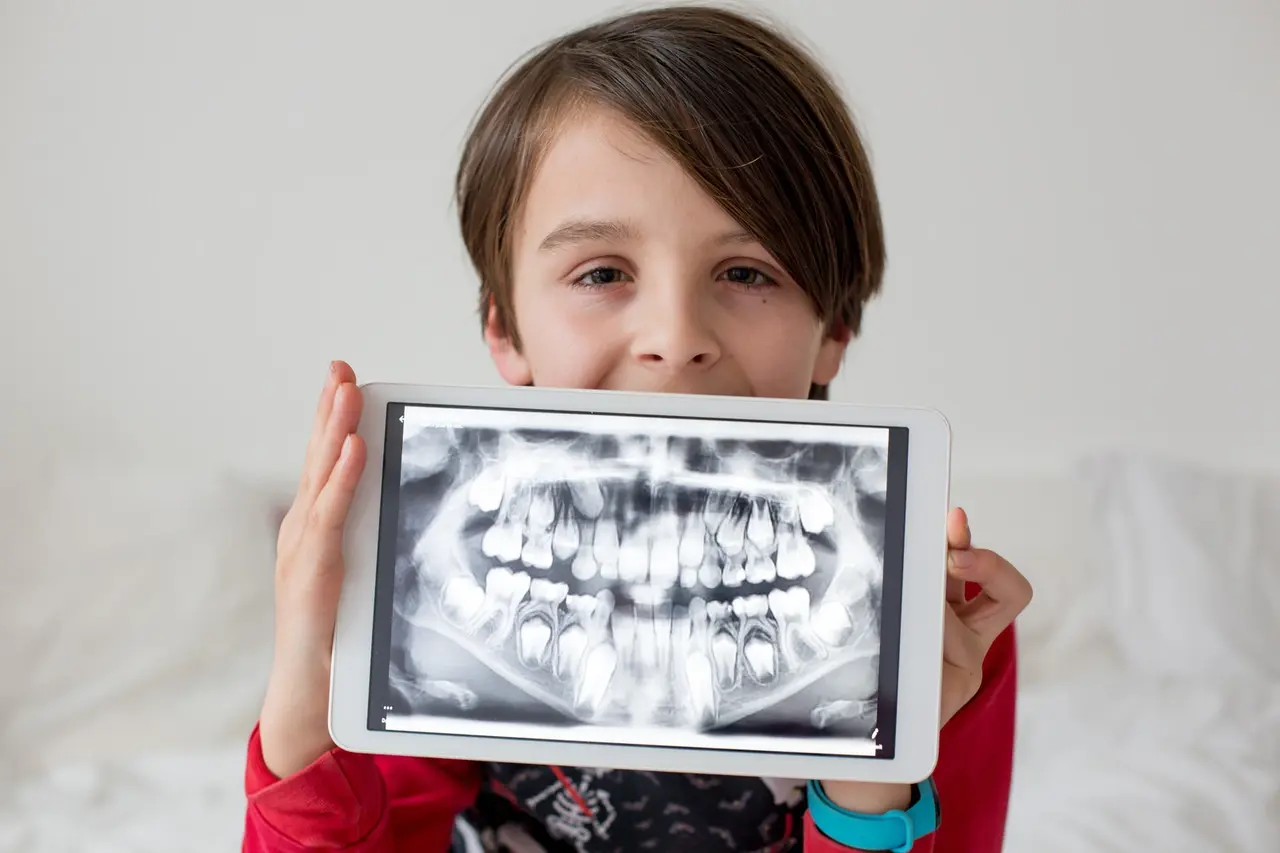
An impacted tooth is one that's stuck under the gum or bone and can't erupt normally. Canines, the pointed teeth next to your incisors, are among the most commonly impacted teeth after wisdom teeth. When an orthodontist sees on X-rays that a canine isn't coming in as expected, impacted canine exposure surgery creates a small opening in the gum tissue so the tooth can be reached and connected to orthodontic hardware.
This procedure is part of our broader extractions and impacted teeth services, which support patients of all ages who need specialized surgical care alongside their regular dental treatment.
Benefits of Early, Precise Canine Exposure
Catching an impacted canine early and treating it with a precise surgical approach offers real advantages. Guided exposure helps the tooth erupt into a natural position instead of drifting or staying stuck, which can affect bite alignment and the health of nearby teeth. Addressing the issue with your orthodontist's timeline in mind also helps keep your overall treatment plan on track.
Left untreated, an impacted canine can crowd neighboring teeth, put pressure on adjacent roots, or lead to a cyst forming around the unerupted tooth. Precise, board-certified surgical care helps protect your smile and supports the outcome your orthodontist is working toward.
What to Expect During Your Canine Exposure Procedure
Your surgery day starts with a review of your child's orthodontic records and the imaging your orthodontist has already gathered. Our surgeons use this information to plan the exact location and depth needed to reach the impacted tooth safely. During the procedure, we create a small opening in the gum tissue, expose the crown of the canine, and bond a small orthodontic bracket with a gold chain directly to the tooth.
Once the bracket is in place, the surgical site is closed around the chain, which stays tucked beneath the gum until your orthodontist is ready to begin guiding the tooth into position. The appointment itself typically takes less time than many parents expect, and most patients return home the same day.
Working With Your Orthodontist Before and After Surgery
We stay in close contact with your orthodontist throughout the process, from reviewing initial imaging to reporting on how the surgery went. After your appointment, your orthodontist will attach the exposed chain to your braces or an appliance and begin gently pulling the tooth into alignment. This teamwork between your surgical and orthodontic care, sometimes called canine exposure orthodontic surgery, means fewer surprises and a plan that fits smoothly into your existing orthodontic treatment.
Comfort, Sedation, and Recovery Support
We know the word "surgery" can sound worrying, especially for a parent watching a child go through it. Our team focuses on keeping patients comfortable, offering sedation options that are discussed ahead of time so you know what to expect. Most patients manage recovery well with over-the-counter pain relief, a soft diet for a few days, and gentle oral hygiene around the surgical site.
We also provide personalized post-op instructions and follow up with patients after the procedure to check on healing. Families across Northern Virginia turn to us for this kind of impacted tooth exposure, and if your care plan calls for other surgical steps down the road, such as tooth extractions, pre-prosthetic surgery, or wisdom teeth removal for an older sibling, our team is glad to help with those too.
Questions
FAQ
How is an impacted canine exposed and bracketed?
During the procedure, your surgeon makes a small opening in the gum to reach the impacted tooth. A tiny orthodontic bracket and chain are bonded to the visible surface of the canine, then the gum tissue is closed around the chain. Your orthodontist later uses that chain to gently guide the tooth into its proper place.
Will my child need sedation for this procedure?
Many patients are comfortable with local anesthesia alone, though sedation options are available and discussed with you beforehand based on your child's age, anxiety level, and the complexity of the case. Our team will go over the choices during your consultation so you can decide together what feels right. Whatever option you choose, comfort throughout the procedure is a priority.
How long is recovery before orthodontic treatment resumes?
Most patients need a few days of rest before returning to normal activities, though some mild swelling or tenderness can last about a week. Your orthodontist typically waits two to four weeks after surgery before beginning to activate the chain and guide the tooth. Your surgeon and orthodontist will coordinate timing based on how your specific healing progresses.

Give Your Child's Canine a Guided, Confident Path Forward
Our board-certified surgeons work closely with your orthodontist so this step feels like a natural part of your child's treatment plan.